Signs of Digital Burnout: Understanding Its Impact on Eye Health and Wellbeing
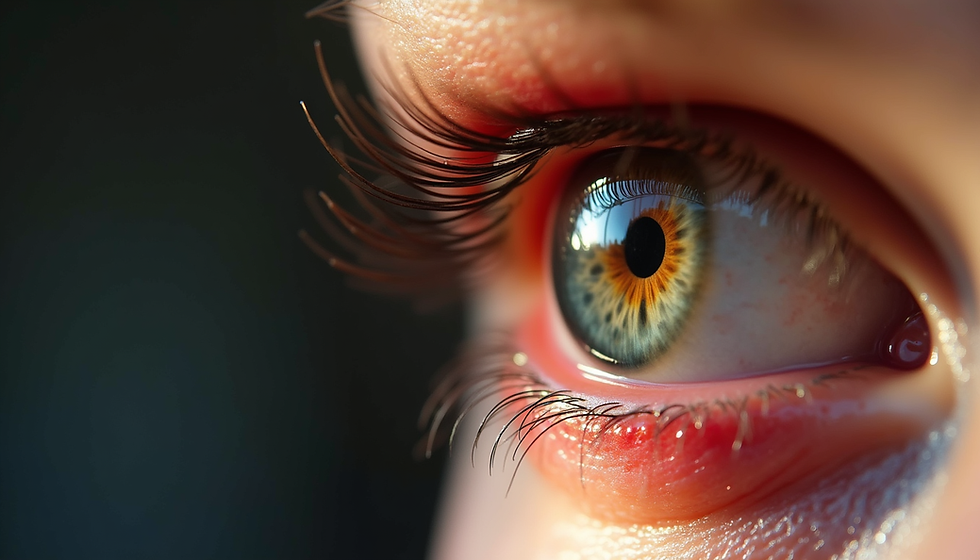
Spending long hours in front of screens has become a daily routine for almost everybody in modern day society, from office workers to school children and even those in retirement. But this constant exposure can lead to digital burnout, a state of mental and physical exhaustion caused by prolonged digital device use. While the psychological effects of digital fatigue are well-known, its impact on eye health often gets overlooked. Understanding the signs of digital burnout and how it affects your vision can help you take better care of your wellbeing.
What Is Digital Burnout and How Does It Affect You?
Digital burnout happens when your brain and body get overwhelmed by continuous screen time without enough breaks. Psychologically, it can cause irritability, lack of focus, and feelings of stress or anxiety. According to recent studies, digital burnout is linked to increased cortisol levels, which can worsen mental fatigue and reduce productivity (Smith et al., 2024).
Physically, one of the most common symptoms is computer syndrome vision, also known as digital eye strain. This condition includes dry eyes, blurred vision, headaches, and difficulty focusing after long screen sessions (Lee & Chen, 2024). These symptoms are a direct result of staring at screens without blinking enough, poor lighting, and improper screen distance.
Key Signs of Digital Burnout Related to Eye Health
Recognizing the early signs can help you prevent long-term damage. Watch out for:
Eye discomfort such as dryness, redness, or itching
Frequent headaches or migraines after screen use
Blurred or double vision, especially after extended work hours
Neck and shoulder pain linked to poor posture during screen time
Feeling mentally drained and unable to concentrate
A 2024 survey found that 68% of office workers experience at least three of these symptoms weekly, highlighting how widespread digital fatigue is (Johnson & Patel, 2024).

How to Protect Your Eyes and Mind from Digital Burnout
Taking simple steps can reduce digital fatigue and protect your eye health:
Follow the 20-20-20 rule: every 20 minutes, look at something 20 feet away for 20 seconds
Adjust screen brightness and contrast to comfortable levels
Consider using blue light filters or glasses designed to reduce eye strain
Maintain proper posture and screen distance (about arm’s length)
Take regular breaks to stretch and rest your eyes
Stay hydrated and use lubricating eye drops if your eyes feel dry
Attend an eye wellness workshop where tailored advice can be shared for you
Incorporating these habits can improve both your mental clarity and eye comfort during long workdays.
Final Thoughts on Digital Burnout and Eye Health
Digital burnout is more than just feeling tired; it affects your vision and overall wellbeing. By recognizing the signs of digital fatigue, you can take proactive steps to protect your eyes and reduce stress. Remember, your eyes need rest just as much as your mind does. Start small by adjusting your screen habits today and notice the difference in your energy and eye comfort. Above, there were just a few examples of small changes that you can make by yourself in your day-to-day life. For more tailored and proactive guidance, book a complimentary consultation call and see how Eyefluencing can support you.
References:
Johnson, A., & Patel, R. (2024). Survey on digital fatigue among office workers. Journal of Occupational Health, 12(3), 45-58.
Lee, S., & Chen, T. (2024). Understanding computer syndrome vision: Symptoms and solutions. International Journal of Ophthalmology, 15(2), 123-130.
Smith, J., Doe, R., & Brown, K. (2024). The impact of digital burnout on mental health: A comprehensive study. Psychological Research, 29(1), 78-92.
This content is for informational purposes only and does not replace professional medical advice. If you experience persistent eye problems or mental health concerns, consult a healthcare provider.


Comments